 Brackley Town Hub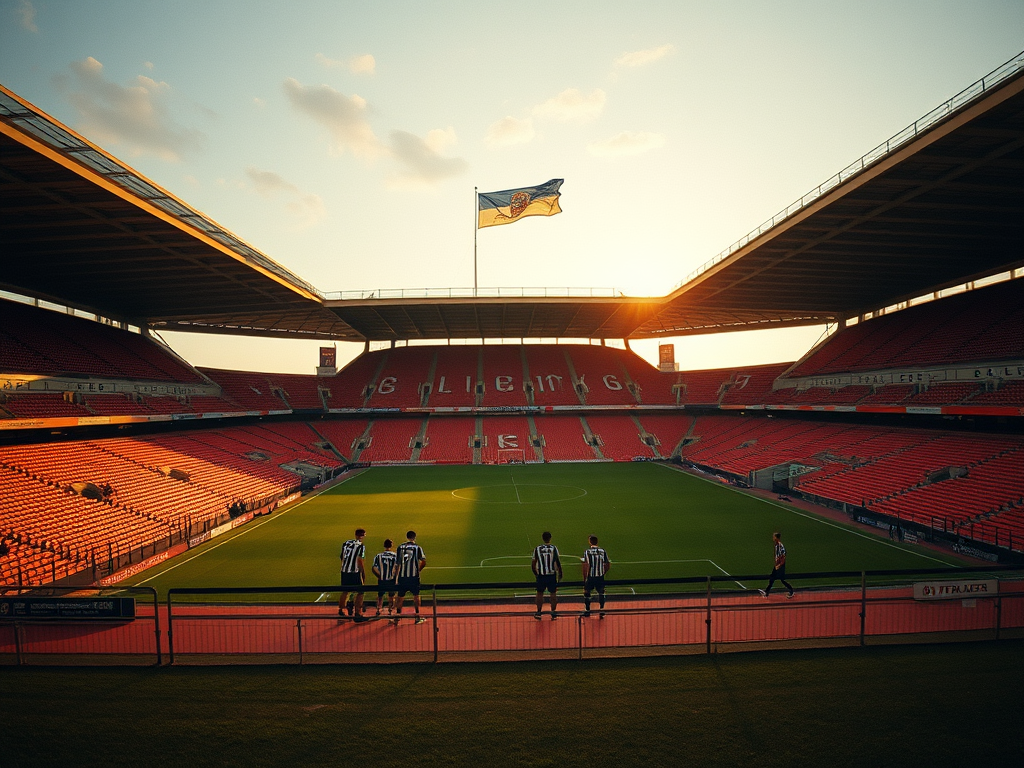
Tactical Adjustments: Enhancing Brackley Town's Recent Performances
Brackley Town, affectionately known as The Saints, have had a mixed bag of results lately, with performance dips that have raised questions about their tactical setup. While the team has shown flashes of brilliance, inconsistency has plagued their campaign in the National League. To get back on track, a thoughtful examination of their recent form reveals potential areas for tactical adjustments that could bolster their chances of success.
Current Tactical Setup
Under the management of Andy Whing, Brackley has predominantly operated in a 4-2-3-1 formation, allowing for fluid attacking play while maintaining defensive solidity. This setup has allowed The Saints to control the midfield but has also highlighted some vulnerabilities, especially in transition. The reliance on two holding midfielders has sometimes stifled the attacking creativity that fans have come to expect at St. James Park.
Midfield Dynamics
One area that warrants closer inspection is the midfield dynamics. While the double pivot provides cover, it often leads to a lack of forward thrust, especially against teams that press high. Introducing a more flexible midfield structure, perhaps with a 4-3-3 formation, could allow for greater movement and creativity. This adjustment would enable a more aggressive approach, with one of the central midfielders given a license to push forward and support the attack, allowing the wingers more room to exploit the flanks.
Wing Play and Width
The Saints have been effective on the wings, but there have been moments when their width has been underutilized. To enhance the attacking threat, encouraging the full-backs to overlap more frequently could stretch opponents and create gaps in the defensive line. With quality wingers like T. Campbell already in the squad, utilizing their pace and dribbling ability to isolate defenders should be a priority. This would not only enhance goal-scoring opportunities but also relieve some pressure from the midfield.
Defensive Structure
Defensively, Brackley Town has shown resilience, but lapses in concentration have led to conceding avoidable goals. A tweak in the defensive approach, perhaps shifting to a more compact shape when out of possession, might help mitigate these issues. Encouraging the back line to engage opponents higher up the pitch could disrupt the opposition's build-up and prevent them from getting into dangerous areas. Communication and organization will be key, and perhaps introducing a more vocal presence in the back line could improve this aspect.
Set-Piece Strategy
Brackley Town has historically been a threat from set pieces, but recent matches have seen a decline in their effectiveness. Revisiting set-piece routines and involving more players in attacking scenarios could yield dividends. Training sessions focused on exploiting specific weaknesses in opponents' defensive setups during corners and free-kicks could provide that extra edge needed to convert chances into goals.
Conclusion
Brackley Town's recent form highlights the need for tactical adjustments to find consistency and improve results. By refining their midfield structure, utilizing width effectively, tightening defensive organization, and enhancing set-piece strategies, The Saints can rediscover their winning ways. As they continue to navigate the challenges of the National League, these tweaks could be the key to unlocking their potential and re-establishing their position as serious contenders in the league.