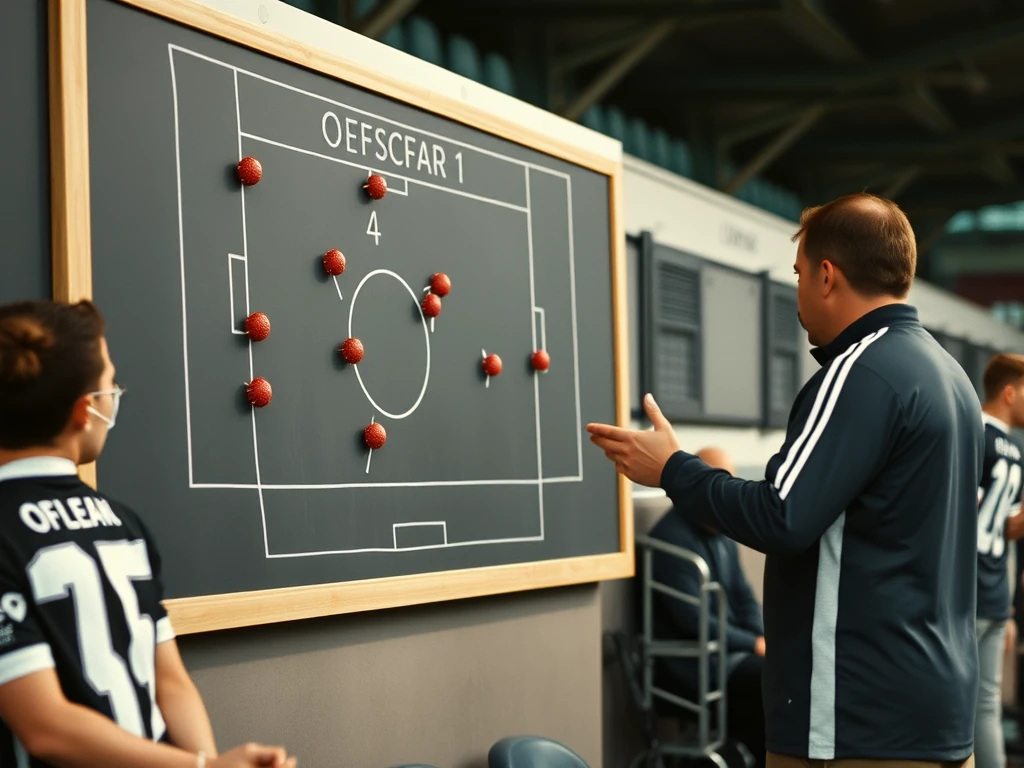

As Brackley Town continues its campaign in the National League, fans have witnessed a rollercoaster of performances that highlight both promise and areas needing improvement. While the Saints have displayed resilience and tactical versatility, recent matches suggest that some strategic tweaks could raise their game, driving the team toward consistency and success.
Analyzing Recent Form
In the past few fixtures, Brackley has oscillated between strong displays and frustratingly lackluster outings. Their defensive solidity, anchored by the likes of Cameron Akash, has been commendable, yet lapses in concentration have allowed opponents to capitalize on set-pieces and transitional moments. Offensively, while the frontline has shown creativity and flair, the lack of clinical finishing has often left valuable points on the table.
Tactical Tweaks to Consider
1. Midfield Dynamics: The heart of any team, Brackley’s midfield needs a reimagining to better control the tempo of games. Implementing a double pivot could provide the necessary cover for the backline while allowing more freedom for attacking midfielders to exploit spaces between the lines. This change could enhance ball retention and facilitate quicker transitions from defense to attack, an area where the Saints have occasionally faltered.
2. Wing Play Enhancement: The wide areas have been underutilized in recent matches. Brackley could benefit from instructing the wingers to stretch the opposition’s defense more effectively, creating room for overlaps and more dynamic attacking patterns. By encouraging full-backs to join the attack, the team can create overloads on flanks, which can lead to more goal-scoring opportunities.
3. Set-Piece Strategy: Given the vulnerabilities shown at set-pieces, a more rigorous approach to both offensive and defensive situations is warranted. Training sessions should focus on delivering varied corner routines and establishing clear roles for players during defensive setups. Ensuring that players understand their responsibilities could reduce the number of goals conceded from set-pieces, a key area where Brackley has struggled.
4. Substitution Patterns: The timing and tactical reasoning behind substitutions have also come under scrutiny. Introducing fresh legs earlier in the second half could provide the team with an energy boost, allowing for more aggressive pressing and sustained attacks. This approach could be particularly useful against teams that tire as games progress, enabling Brackley to capitalize on late-game opportunities.
Conclusion
As Brackley Town approaches the next phase of the season, a combination of tactical refinements and a clear focus on execution could lead to substantial improvements. By addressing the midfield dynamics, enhancing wing play, revamping set-piece strategies, and rethinking substitution timing, the Saints can build on their foundation and aim for a stronger league standing. With the passionate support of their fans at St. James Park, the potential for success remains firmly within reach.